Bank Reconciliation Explained – 7 Problems Monthly Reconciliation Helps Businesses Catch Early
The balance shown in your accounting software may look reasonable while the records behind it tell a different story. A missing deposit, duplicated payment, or unrecorded bank fee can quietly distort cash flow reports and create confusion when bills, taxes, or financial statements are due.
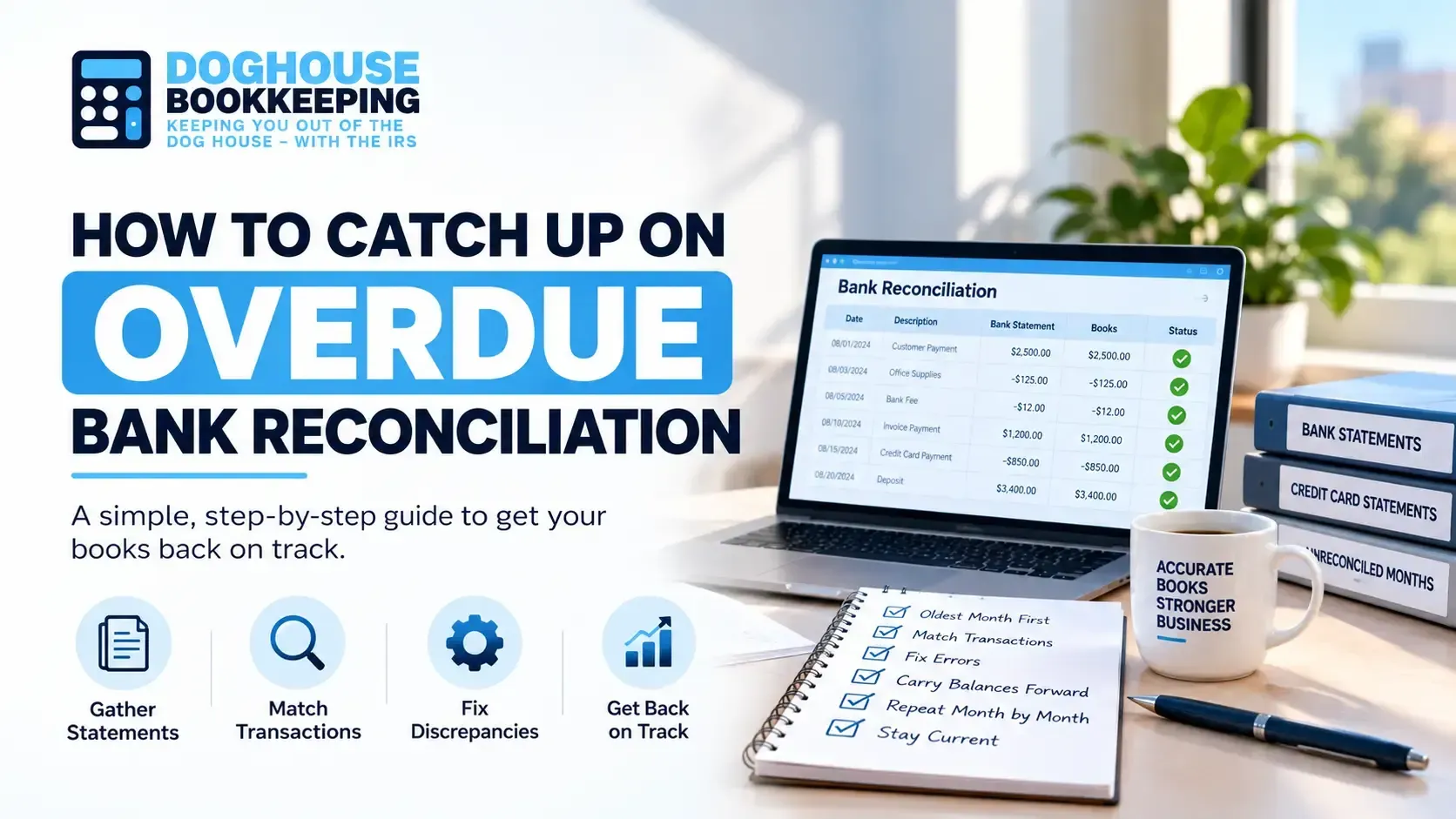
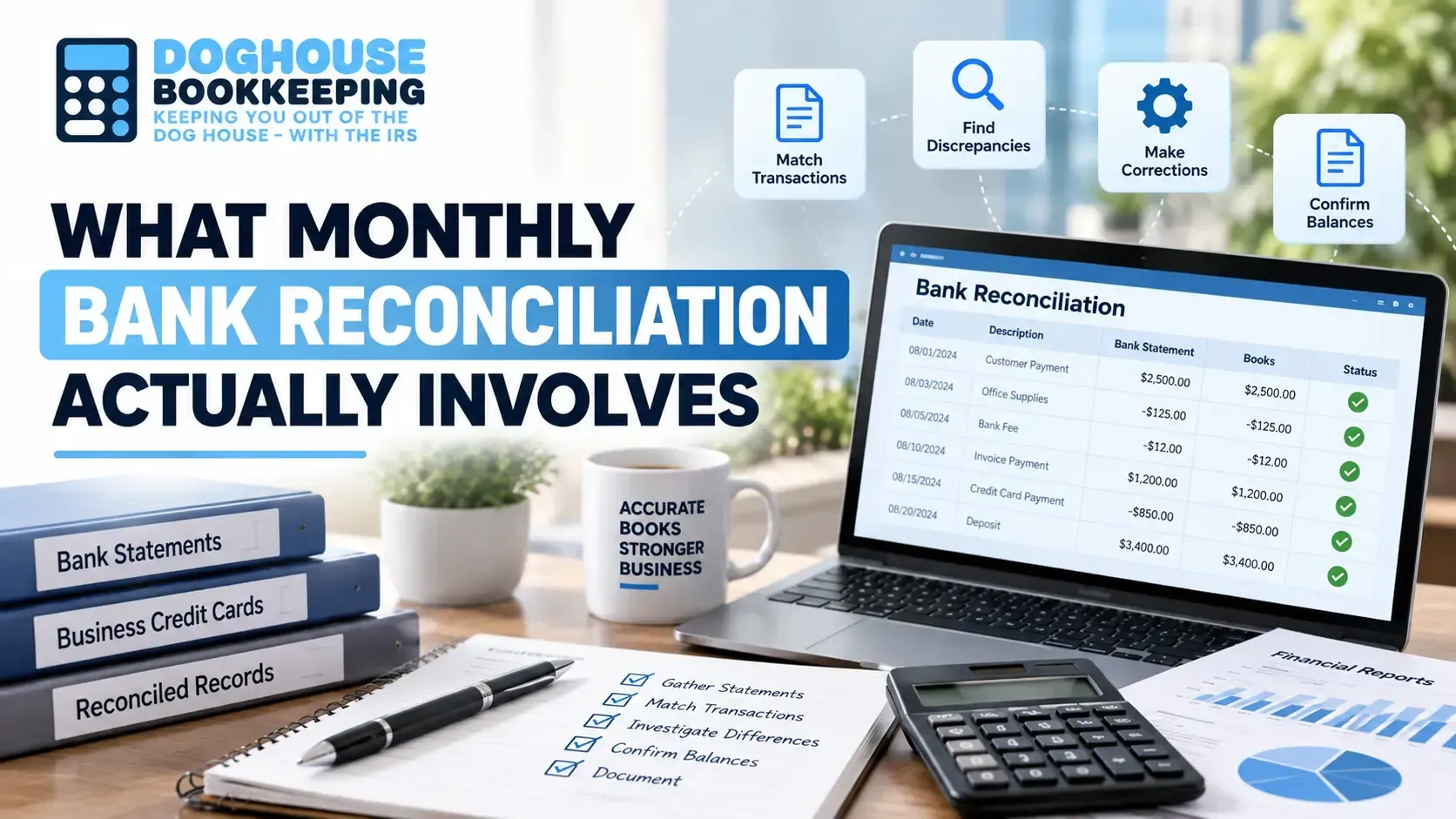
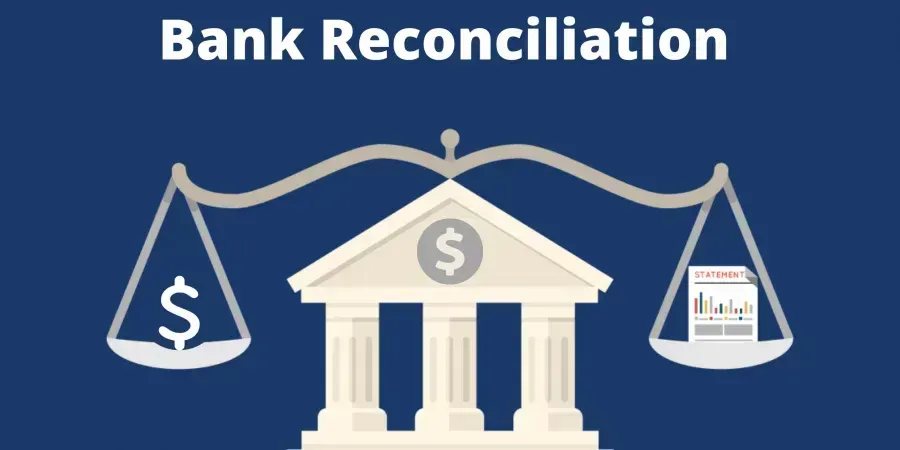
Regular monthly bank reconciliation compares the transactions recorded in your bookkeeping system with the activity shown on your bank and credit card statements. That comparison helps identify discrepancies while the details are still recent enough to investigate.
What Is Bank Reconciliation? A Simple Explanation
A straightforward bank reconciliation explanation begins with two records: your bank statement and the corresponding account in your bookkeeping software.
Each deposit, withdrawal, transfer, check, fee, and payment should appear correctly in both places. The reconciliation process matches those transactions, accounts for timing differences, and investigates anything that does not agree.
The reconciled difference should reach zero once the correct statement balance and all relevant transactions have been reviewed.
Why Monthly Bank Reconciliation Matters
Waiting until tax season to review an entire year of transactions makes small discrepancies harder to trace. Staff members may forget what a payment was for, vendors may take longer to provide duplicate invoices, and unexplained balances can spread into later reports.
Monthly reconciliation keeps each accounting period manageable. It also gives business owners more confidence that the cash figures used for spending, hiring, and planning reflect actual account activity. Here are seven problems it helps uncover.
1. Missing or Unrecorded Deposits
A customer payment may reach the bank without being entered in the books. The reverse may also happen: a deposit is recorded in the software but never reaches the bank because of an upload problem, returned payment, or processing delay.
Reconciling deposits helps confirm that recorded revenue reached the expected account and that bank activity has been entered correctly. It may also expose payment-processing deposits recorded at their gross amount rather than the net amount received after fees.
2. Duplicate Transactions
Bank feeds reduce manual entry, but they do not remove the possibility of duplication.
A transaction may be entered manually and then added again through the connected bank feed. Transfers between accounts are also vulnerable because one side may be recorded as a transfer while the other is mistakenly categorized as new income or an expense.
Duplicate entries overstate spending or revenue and affect account balances. QuickBooks identifies duplicate and missing transactions as common causes of reconciliation differences.
3. Incorrectly Categorized Income and Expenses
A transaction can match the bank statement and still be recorded incorrectly.
Loan payments may be categorized entirely as expenses even though part of the payment reduces principal. Owner contributions may be labeled as sales. Equipment purchases may be placed in everyday office expenses, while personal charges may remain mixed with business activity.
Monthly review catches these problems before they flow into profit and loss statements, tax records, or management reports. Correct categorization gives owners a clearer view of what the business earned and where the money went.
4. Unauthorized or Suspicious Charges
Reconciliation creates another opportunity to review account activity rather than assuming every imported transaction is legitimate.
Unknown subscriptions, duplicate vendor charges, altered check amounts, unexpected withdrawals, and purchases outside normal business activity should be investigated promptly. Catching a suspicious charge early may improve the chance of resolving it with the bank, card provider, employee, or vendor.
5. Outstanding Checks and Pending Payments
A check may be recorded in the books before the recipient deposits it. An electronic payment may also remain pending when the statement period closes.
These timing differences help explain why the bank’s available balance may not equal the amount shown in the accounting records. The transactions still need to be reviewed so genuinely outstanding payments are not confused with duplicates, canceled checks, or forgotten entries.
Old outstanding checks deserve particular attention. A payment that remains uncleared for months may need follow-up with the vendor or correction in the books.
6. Unrecorded Bank Fees, Refunds, and Interest
Banks often post charges or credits that do not enter the books until the statement is reviewed.
Examples include service fees, wire charges, overdraft fees, credit card processing costs, interest income, refunds, and returned-payment charges. Individually, these amounts may appear small. Repeated omissions still make the account inaccurate and may place related expenses or income in the wrong period.
Monthly bank reconciliation captures these entries consistently instead of leaving them to accumulate.
7. Changes to Previously Reconciled Transactions
A user may edit, delete, move, or unreconcile an older transaction without realizing that the change affects the next reconciliation.
This often creates a beginning balance that no longer agrees with the bank statement. QuickBooks lists changes to previously reconciled transactions among the common reasons an opening or beginning balance becomes incorrect.
The solution is to locate the altered entry and correct the underlying problem, rather than forcing the accounts to match through an unexplained adjustment.
Why Your Bank Balance Does Not Match QuickBooks
The bank balance and QuickBooks balance do not always match at the same moment. Pending transactions, uncleared checks, timing differences in bank-feed updates, missing entries, duplicated activity, or an incorrect opening balance may create a gap.
The reconciliation process explains legitimate timing differences and isolates actual errors. Simply changing a balance to remove the discrepancy can conceal the cause and weaken later reports.
When to Hire Professional Bank Reconciliation Services
Professional bank reconciliation services may be appropriate when:
- Several months have not been reconciled
- Beginning balances no longer match
- Multiple bank or credit card accounts are involved
- Transactions have been duplicated or deleted
- Personal and business expenses are mixed
- Reports contain unexplained cash balances
- The business is preparing for taxes, financing, or an audit
Outside support is also useful when reconciliation takes too much time away from running the business.
How Dog House Bookkeeping Keeps Accounts Accurate
Dog House Bookkeeping provides monthly bookkeeping support for Riverside businesses, including bank and credit card reconciliation, transaction categorization, accounts payable and receivable tracking, and financial reporting. The team matches statement activity against the books, investigates missing entries, and corrects discrepancies before they become larger reporting problems.
Clear communication and consistent monthly review help business owners understand their numbers without waiting for year-end surprises. Contact Dog House Bookkeeping to discuss monthly bank reconciliation and ongoing support for cleaner, more dependable accounts.