Bank Reconciliation Services for Contractors and Construction Companies
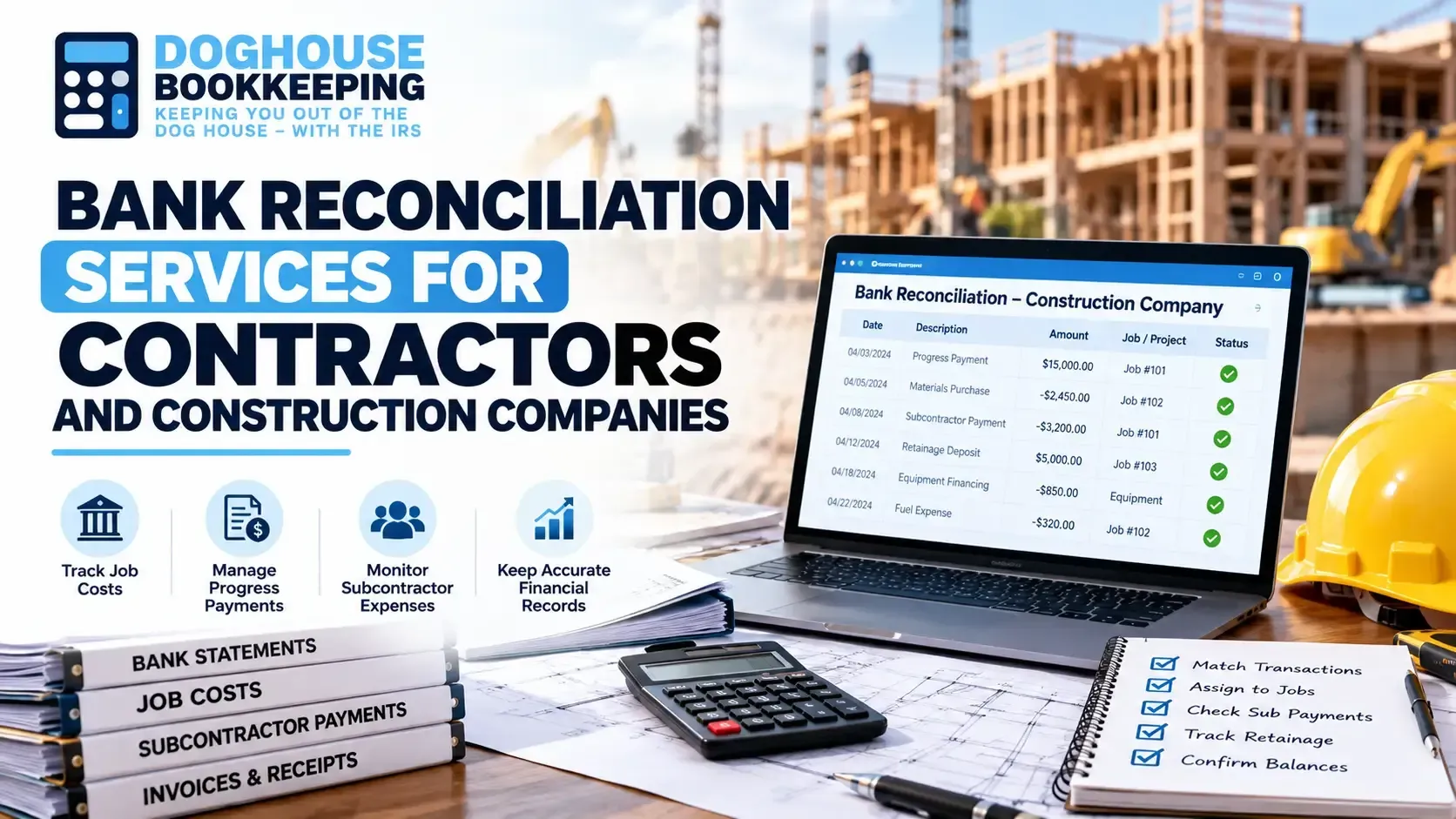
Bank reconciliation for contractors matches every deposit, subcontractor payment, and materials purchase in your bank and credit card accounts against your books, job by job. Because construction cash flow runs on progress payments, retainage, and multiple job accounts, contractors need monthly reconciliation tied to specific projects, not just a single bank balance.
Contractors rarely have a simple month. Payments arrive in stages, materials go on three different cards, subs get paid before the client pays you, and by the time the statement closes, nobody is sure which job a charge belongs to. At Dog House Bookkeeping, that pattern is exactly why contractors benefit most from our bank reconciliation services.
This article explains what makes reconciliation different for construction companies, the problems we see most often, and how it connects to your monthly bookkeeping and the financial reports you rely on to price and manage jobs.
Why Contractors Need Bank Reconciliation Done Differently
A retail shop deposits sales and pays bills. A contractor's money moves on a completely different schedule. Deposits are tied to milestones, draws, or progress billing. Expenses often hit months before the matching revenue does. And a single bank statement can contain activity for a dozen unrelated jobs.
That makes a basic "does the ending balance match" check far less useful. Your bank balance can match your books perfectly while a deposit is recorded against the wrong job, a sub payment is missing entirely, or a materials purchase never got assigned to the project it was bought for. The totals line up. The job profitability numbers are quietly wrong.
What Makes Contractor Bank Reconciliation Different
Construction accounts tend to include complications that general bookkeeping doesn't:
- Multiple job or project accounts — some contractors keep separate accounts for larger projects, each of which needs its own reconciliation
- Progress payments and draws — deposits that cover only part of a contract and have to be matched to the right billing
- Retainage — money held back by the client that shows up months later and needs to be tracked, not mistaken for new income
- Subcontractor payments — often made by check or transfer, and needed later for 1099 reporting
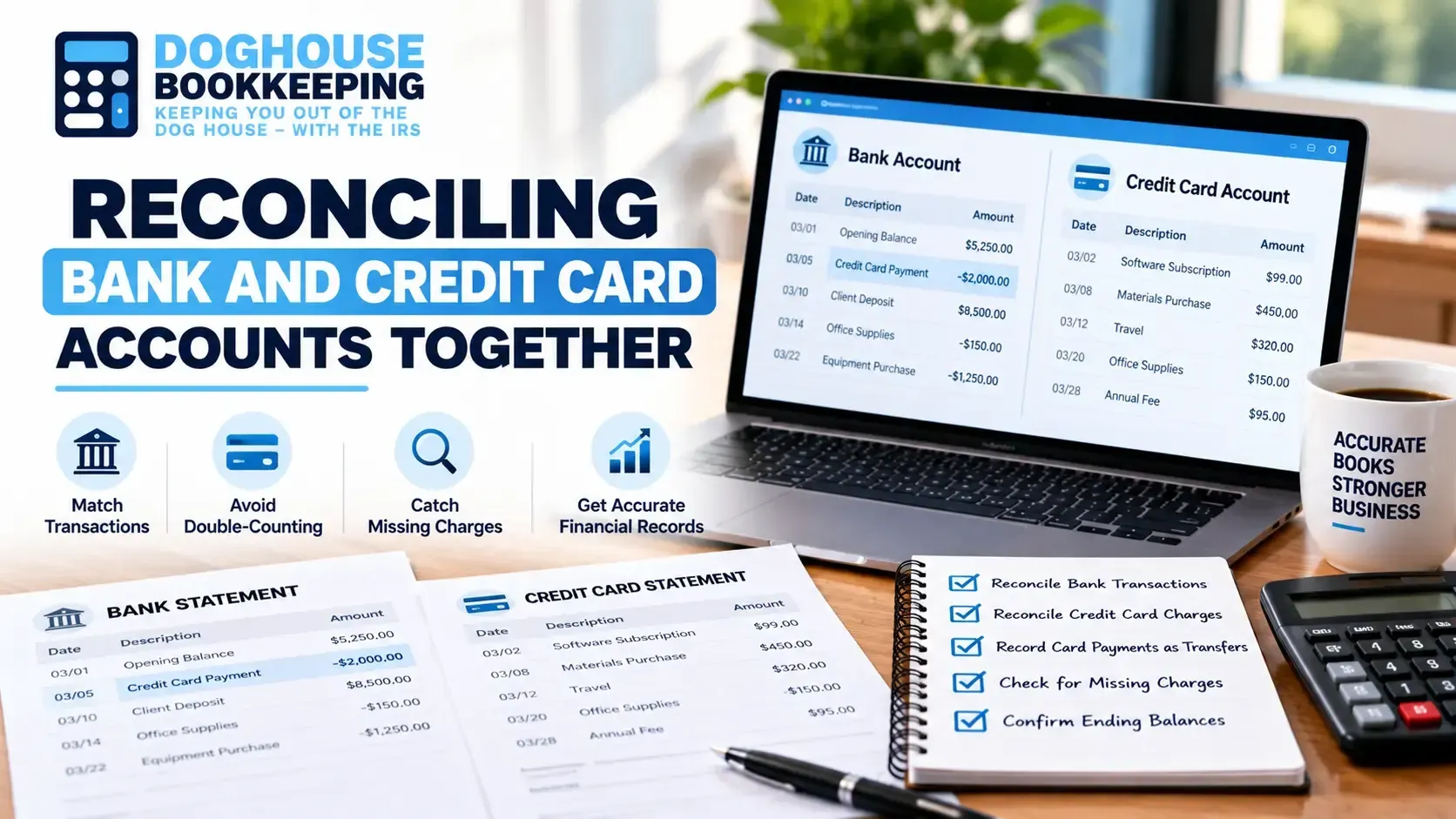
- Materials on credit cards and supplier accounts — many small purchases spread across cards, easy to miss or double count
- Equipment and vehicle financing — loan payments that mix principal and interest and need to be split correctly
These are places where books and bank activity drift apart if nobody checks line by line.
How Bank Reconciliation Works for Construction Companies
The core process is the same as any reconciliation, with an extra layer of job tracking on top:
- Collect all relevant statements and supporting records — business bank accounts, project-specific accounts where applicable, credit cards, loan statements, and supplier statements when needed.
- Match each transaction line by line against your books, not just by total
- Confirm each deposit is tied to the right job or invoice, including partial payments and retainage releases
- Check subcontractor and vendor payments against bills entered, so nothing is missing or paid twice
- Verify materials purchases are assigned to the project they were bought for
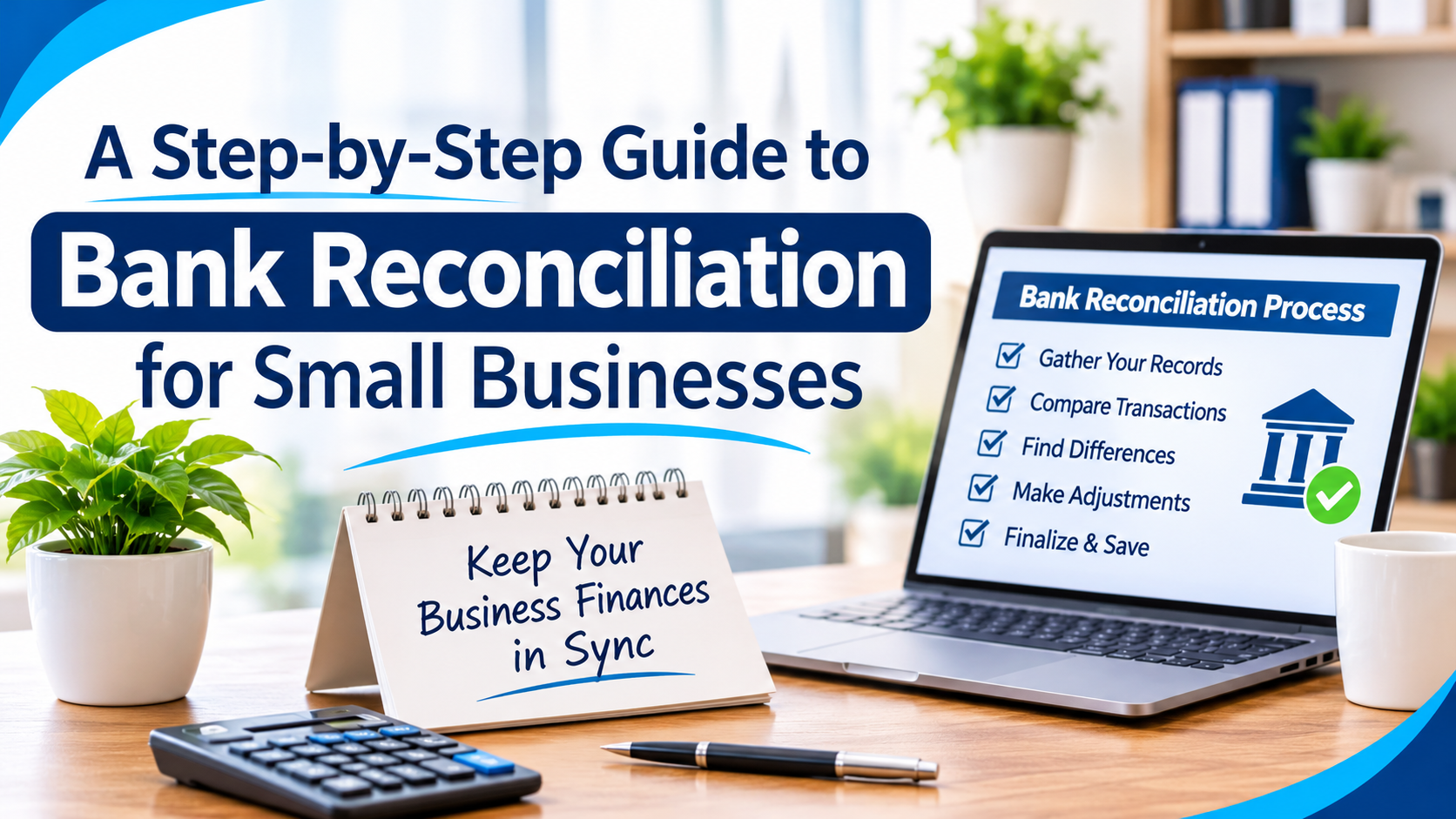
- Resolve anything that doesn't match and confirm the ending balance agrees with the statement
- Review the job-level results so profitability reports reflect what actually happened
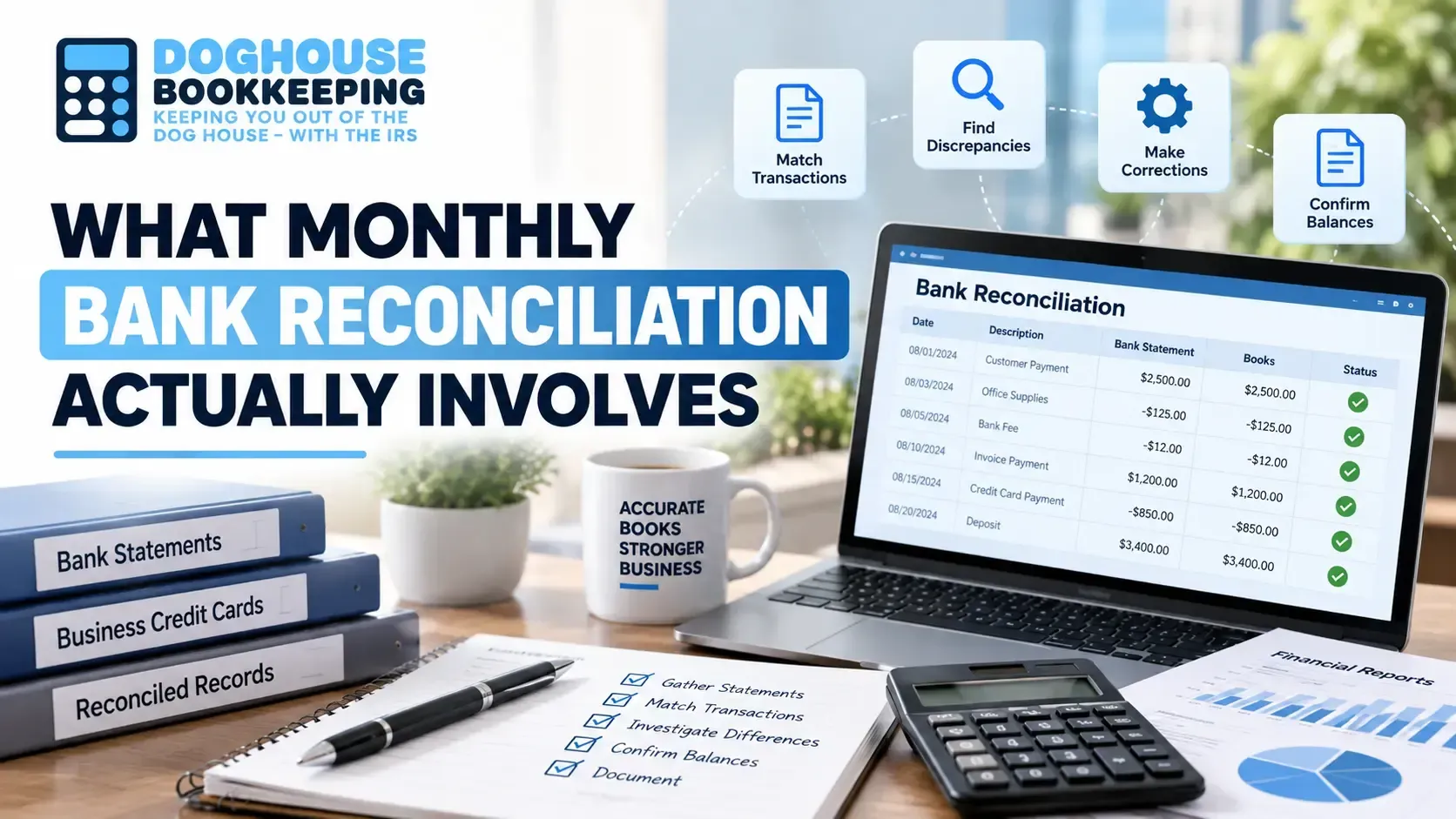
If you want to understand the general process first, read What Monthly Bank Reconciliation Actually Involves.
Common Reconciliation Problems Contractors Run Into
- Deposits recorded against the wrong job, which distorts profitability on both jobs
- Unrecorded subpayments, missing or duplicated payments can make year-end expense totals and applicable Form 1099 reporting less reliable.
- Personal and business spending mixed, especially on cards used for materials runs.
- Duplicate entries when the same purchase is entered from a receipt and again from the bank feed
- Retainage recorded incorrectly, failing to track amounts withheld by clients or recording a retainage payment as new revenue when it was already recognized, can distort job-level financial reporting.
- Jobs that look profitable in the books but aren't, because costs were never fully matched to them
None of these are unusual. They're the normal result of a business where money moves in many directions at once.
Not sure whether your job numbers can be trusted? Talk to our team, and we'll review a recent month with you.
How Often Contractors Should Reconcile
Monthly is the minimum. Contractors with several active jobs, multiple crews, or heavy materials spending often do better with a mid-month check on the busiest accounts, so problems get caught while the paperwork is still fresh. The longer a month sits unreconciled, the harder it is to remember which truck, which job, or which supplier a charge belonged to.
Frequently Asked Questions
Do contractors need a separate bank account for each job?
Not necessarily. Many contractors run everything through one operating account and track jobs in their bookkeeping software. Separate accounts can make sense for larger projects or when a client or lender requires it. Either way, each account needs to be reconciled.
How does reconciliation help with job costing?
Bank reconciliation helps identify missing transactions, duplicate entries, and discrepancies between bank activity and bookkeeping records. When combined with accurate job costing and transaction categorization, it helps contractors produce more reliable project profitability reports.
What happens to subcontractor payments if reconciliation is skipped?
Payments can go unrecorded or be entered twice. Both problems tend to surface at tax time, when you need accurate totals to prepare 1099s for the subs you paid during the year.
Can reconciliation catch up an entire year of construction books?
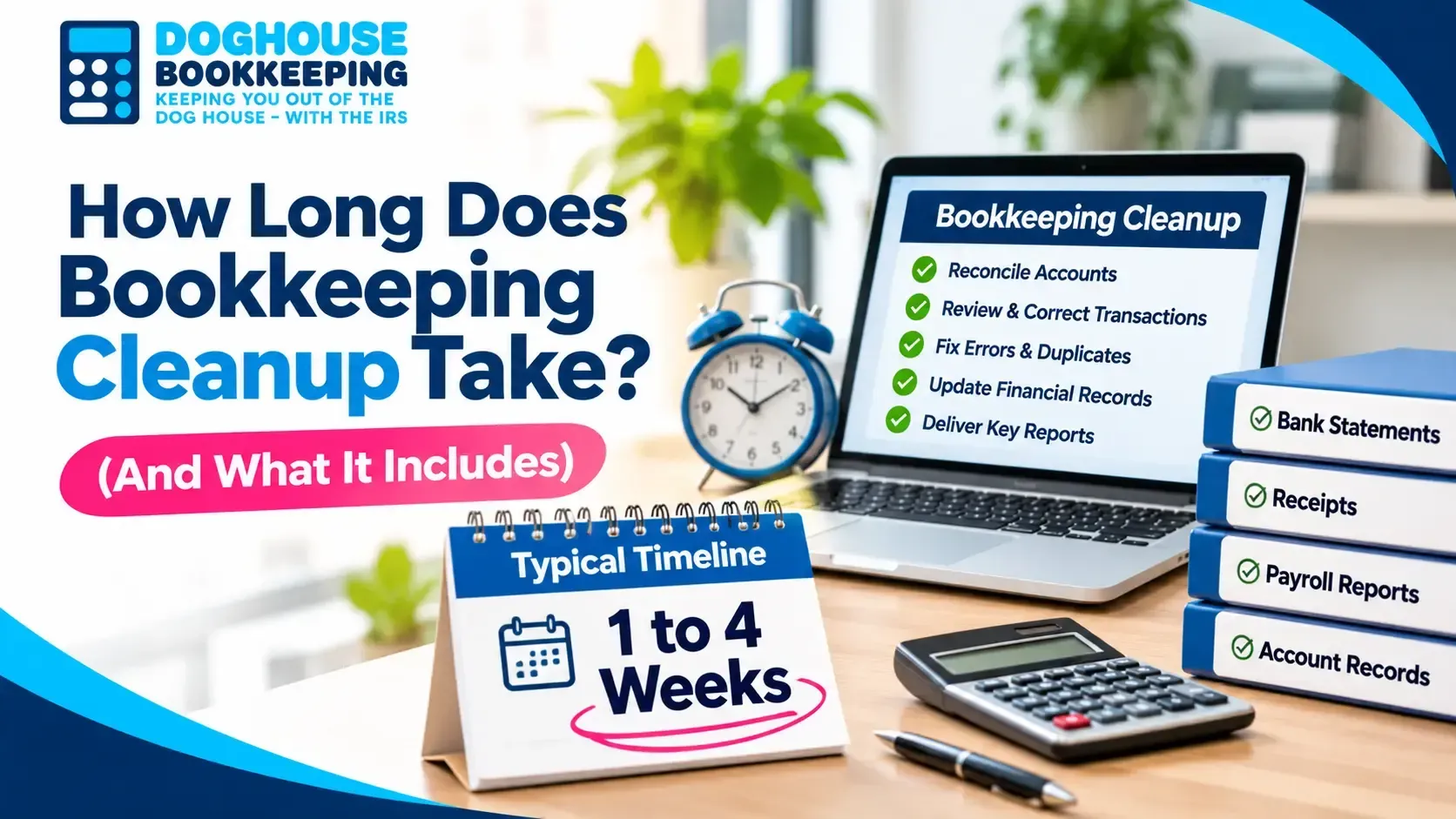
Yes. It's done month by month, starting with the oldest period, and the same approach applies whether you have two job accounts or ten. Our bookkeeping cleanup work follows exactly that process.
Keep Your Job Numbers Accurate Every Month
Construction is a business where a few percentage points of margin decide whether a job was worth taking. Reconciled books are how you know which jobs actually made money.
Dog House Bookkeeping provides monthly bank reconciliation and bookkeeping support for contractors and construction companies in Riverside, Corona, Moreno Valley, and surrounding areas. We work with QuickBooks, Xero, and other bookkeeping software to help businesses maintain organized financial records.
Schedule a free consultation and find out where your books stand today.