7 Signs Your Small Business Needs a Bookkeeper

Running a small business means managing customers, daily operations, expenses, and plenty of other responsibilities. Bookkeeping can easily fall behind when everything else demands your attention. But how do you know when it's time to get professional help?
If your financial records are months behind, your bank balance doesn't match your books, or tax season always feels stressful, you may need a bookkeeper. Here are seven signs your small business bookkeeping needs attention and how getting the right support can help.
1. Your Bookkeeping Keeps Falling Behind
A month slips by without entering receipts. Then two months. Soon you're facing a stack of statements and a software dashboard you've been avoiding.
Falling behind isn't a character flaw. It's what happens when bookkeeping competes with customers, staff, and everything else that actually pays the bills. The problem is that the longer it waits, the harder it gets. As time passes, it becomes harder to identify unfamiliar transactions, locate missing receipts, and understand what certain payments were for. Keeping your books updated each month makes these issues easier to investigate and resolve.
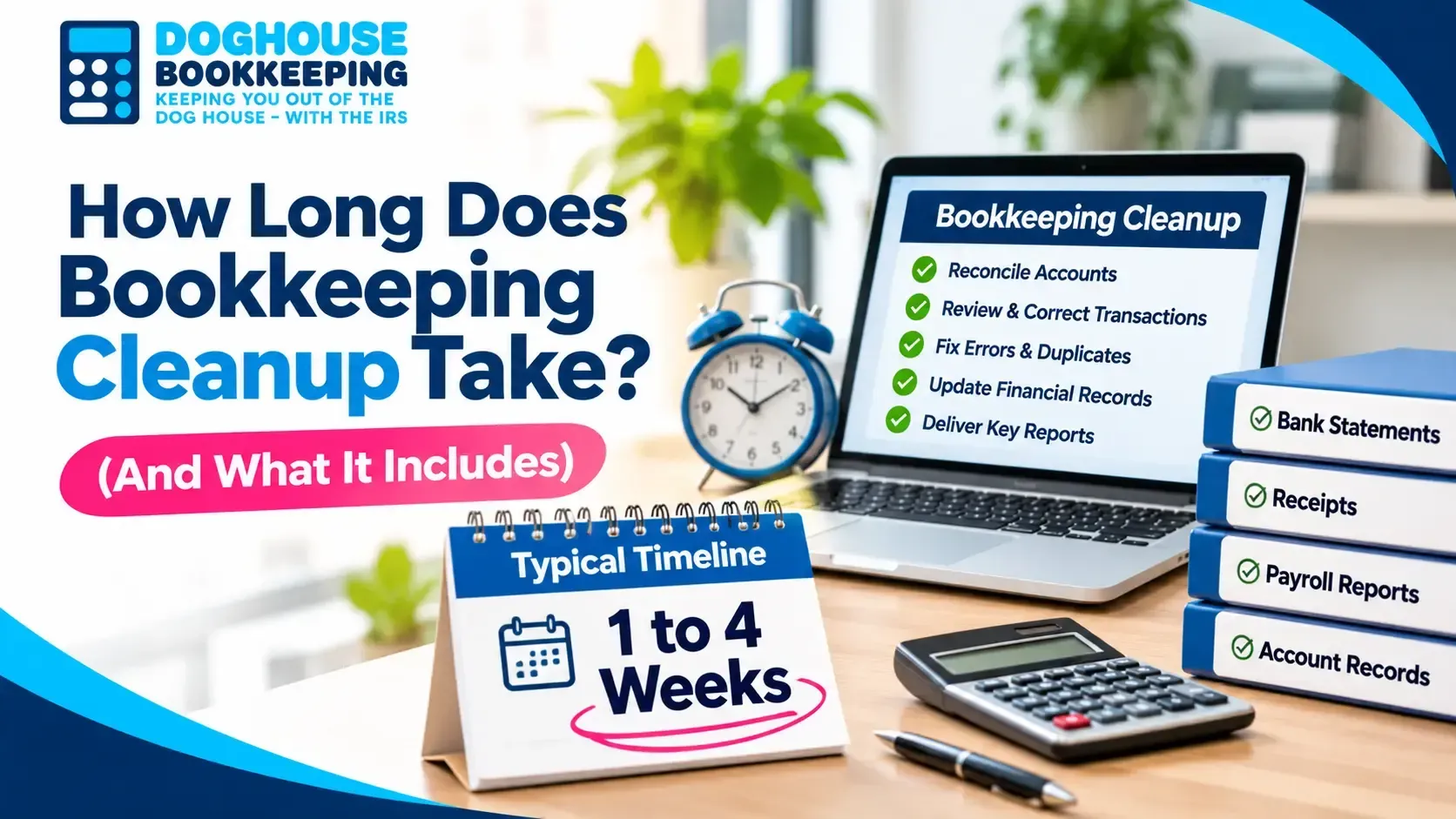
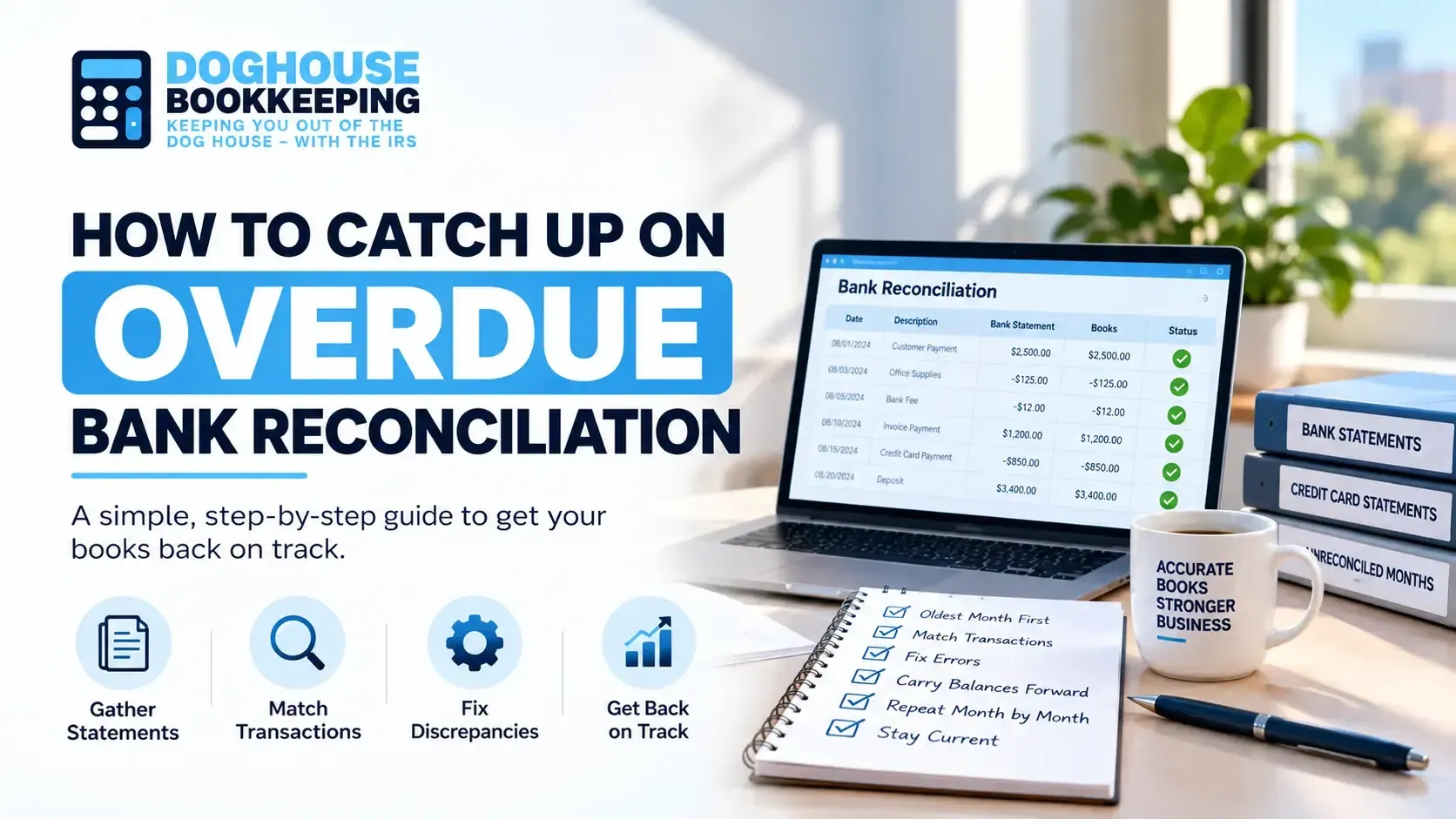
If this is where you are, you don't have to stay stuck. A professional can catch up on overdue bank reconciliations month by month, starting with the oldest period, and then keep you current going forward.
2. Your Bank Balance and Your Books Don't Match
You check your bank account and see one number. Your accounting software shows another. You're not sure which one to trust, or why they're different.
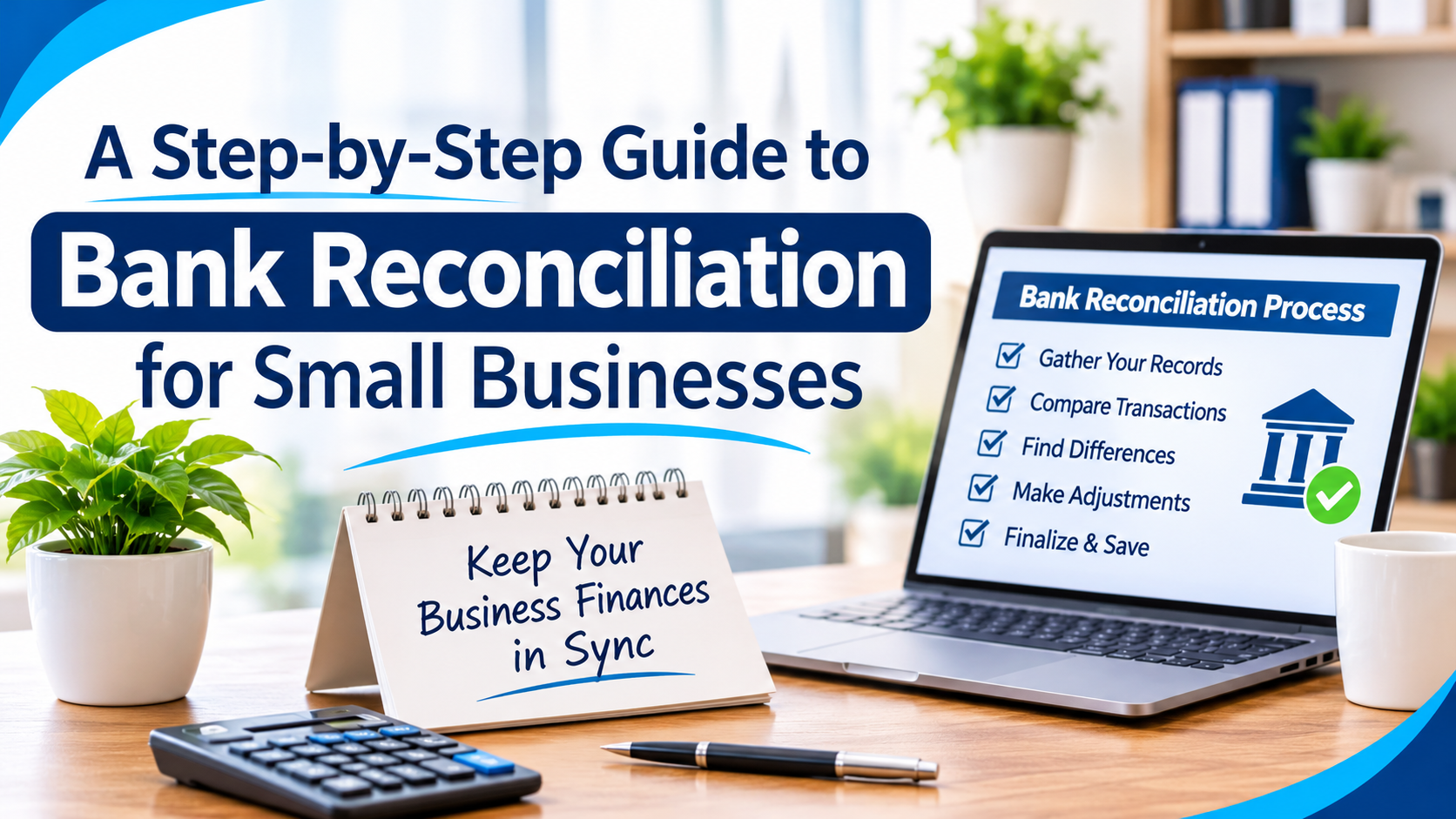
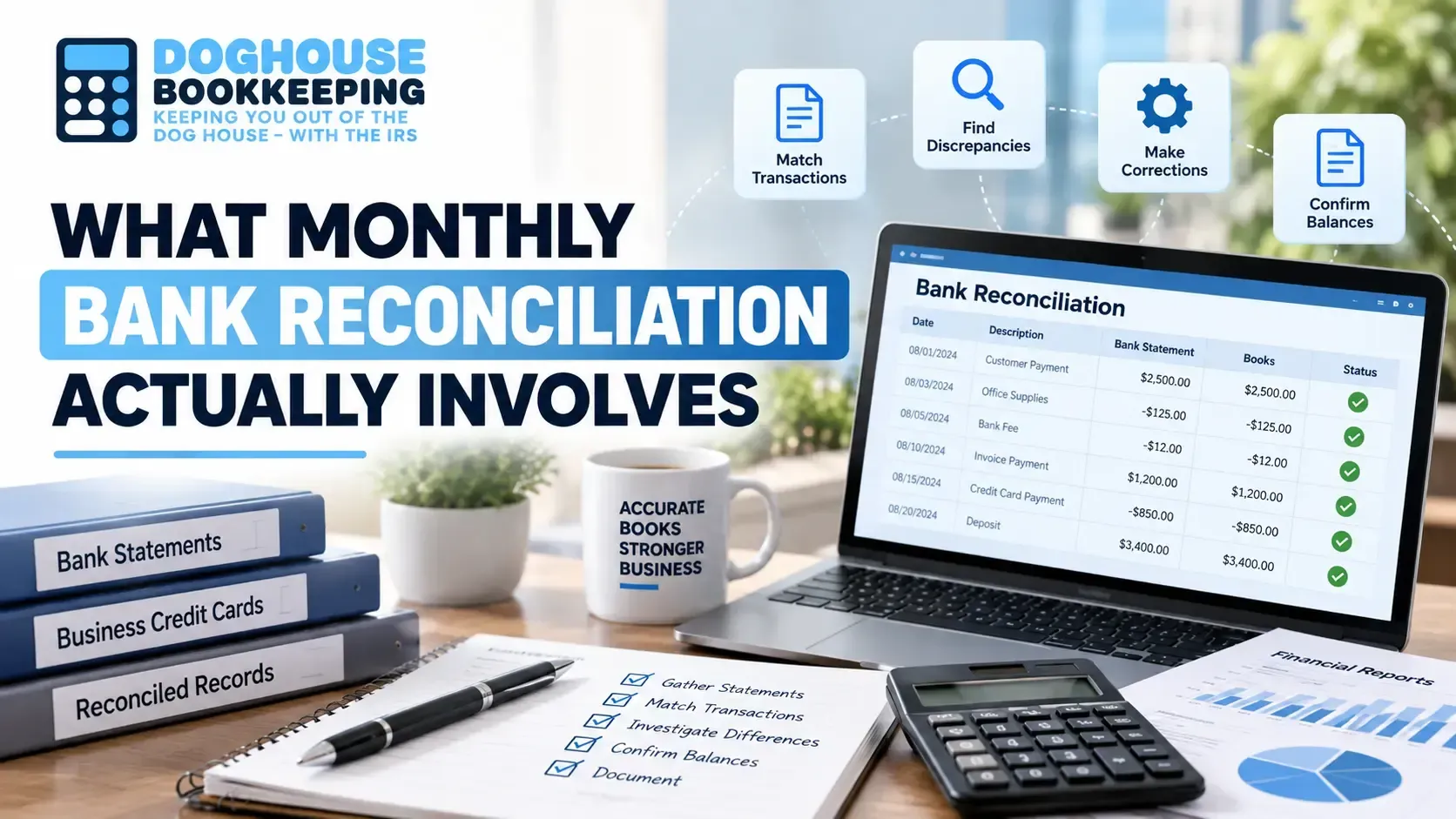
A mismatch usually means something went unrecorded or was entered twice: a missed deposit, a duplicate charge, or a bank fee nobody logged. Reconciling your accounts each month catches these problems while they're still easy to trace. If you can't remember the last time your records matched the bank, that's one of the clearest signs you need a bookkeeper.
For example, your bank statement may show a payment that hasn't been entered into your bookkeeping software. You might also have duplicate transactions, missing deposits, bank fees, or outstanding payments that haven't been recorded correctly. Monthly reconciliation helps identify these differences and keeps your financial records accurate.
3. You Can't Say Whether Last Month Was Profitable
Ask yourself a simple question. Did your business make money last month? If the honest answer is "I think so, but I'm not sure," your books aren't doing their job.
Regular bookkeeping helps you understand your income, expenses, and overall financial position. Monthly reports, such as a profit and loss statement and balance sheet, give you a clearer picture of how your business is performing. You can use this information to review spending, evaluate pricing, and make more informed business decisions.
4. Tax Time Feels Like an Emergency
Every year, tax season arrives, and you scramble. You hunt for receipts, guess at categories, and send your accountant a messy pile with a hopeful note.
Disorganized records can also make it harder to identify and support eligible business expenses when preparing your taxes. Keeping transactions and receipts organized throughout the year makes the process easier for both you and your tax professional.
If tax season keeps catching you off guard, talk to our team about getting your books organized before the next deadline.
5. Personal and Business Spending Are Mixed
You buy supplies on a personal card, pay a business bill from your personal checking, and move money back and forth without tracking it. It feels convenient until you try to sort it out.
Mixed spending makes it hard to see your real profit and complicates your taxes. If you operate as an LLC or corporation, it can also blur the separation between you and the business, which is worth discussing with your attorney or tax professional. A bookkeeper can help you separate transactions properly, clean up what's already mixed, and set up a simple system to keep them separate.
6. Bookkeeping Is Eating the Hours You Need for the Business
If you spend more than a few hours a week on bookkeeping, or you lose entire weekends to it, the cost isn't just time. It's the work you aren't doing, such as selling, serving customers, or planning growth.
Many owners underestimate this. They compare a bookkeeper's fee to zero, because their own time feels free. It isn't. Hours spent entering transactions are hours you can't spend on the work only you can do. Handing off bookkeeping often pays for itself in recovered focus alone.
7. Growth Is Making Your Finances Harder to Track
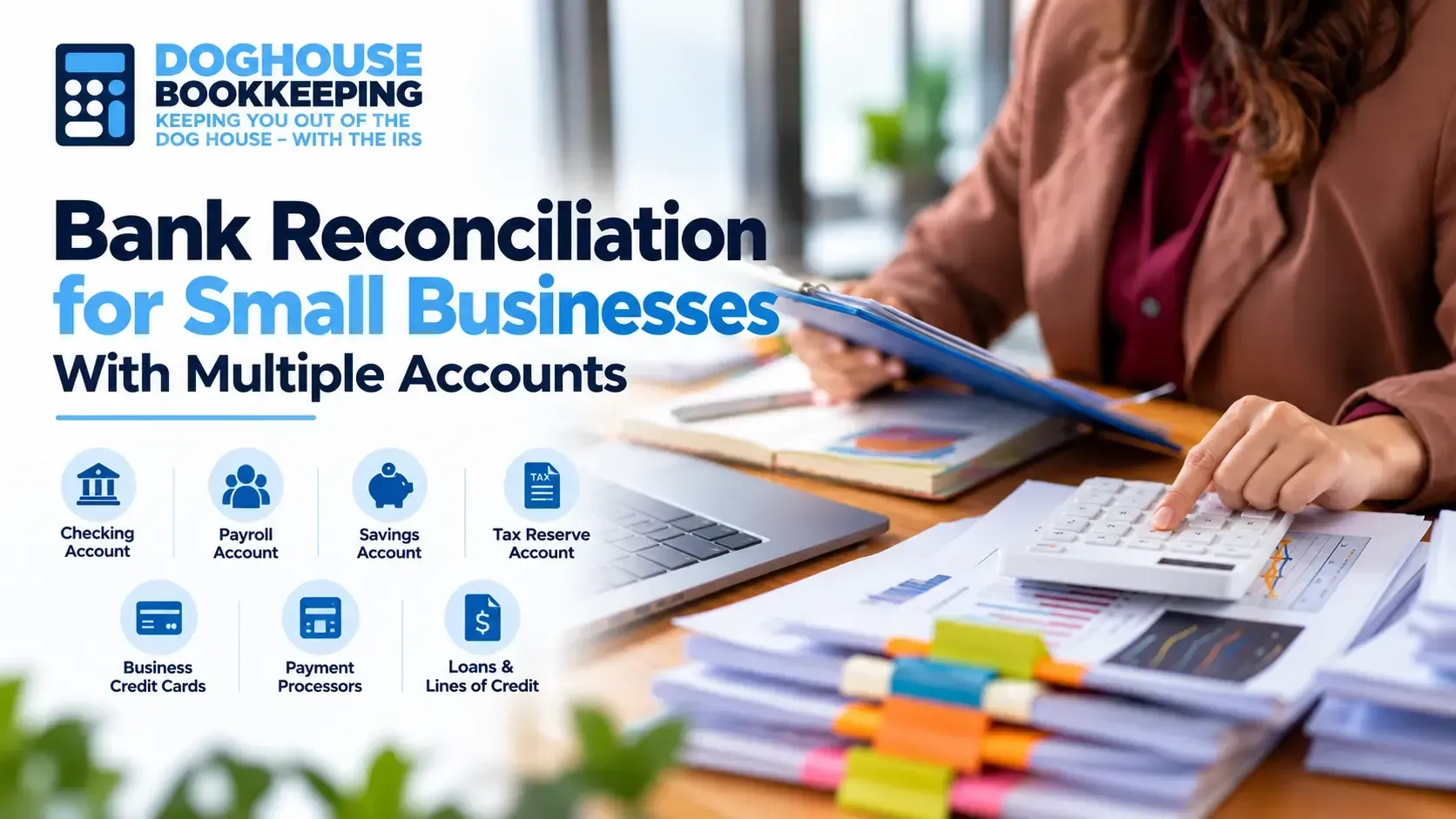
More customers, more transactions, a second bank account, a business credit card, maybe your first employee. Each addition adds complexity. What worked at ten transactions a month breaks down at a hundred.
Growth is the best reason to hire a bookkeeper, because it's when errors become costly. Payroll, sales tax, and multiple accounts all demand accuracy, and a mistake made at scale is harder to unwind. Bringing in bookkeeping help before the complexity peaks is far easier than doing it afterward.
What a Small Business Bookkeeper Does Once You Hire One
A small business bookkeeper helps maintain accurate, organized financial records throughout the year. Depending on your business needs, bookkeeping support may include:
- Recording and categorizing income and expenses
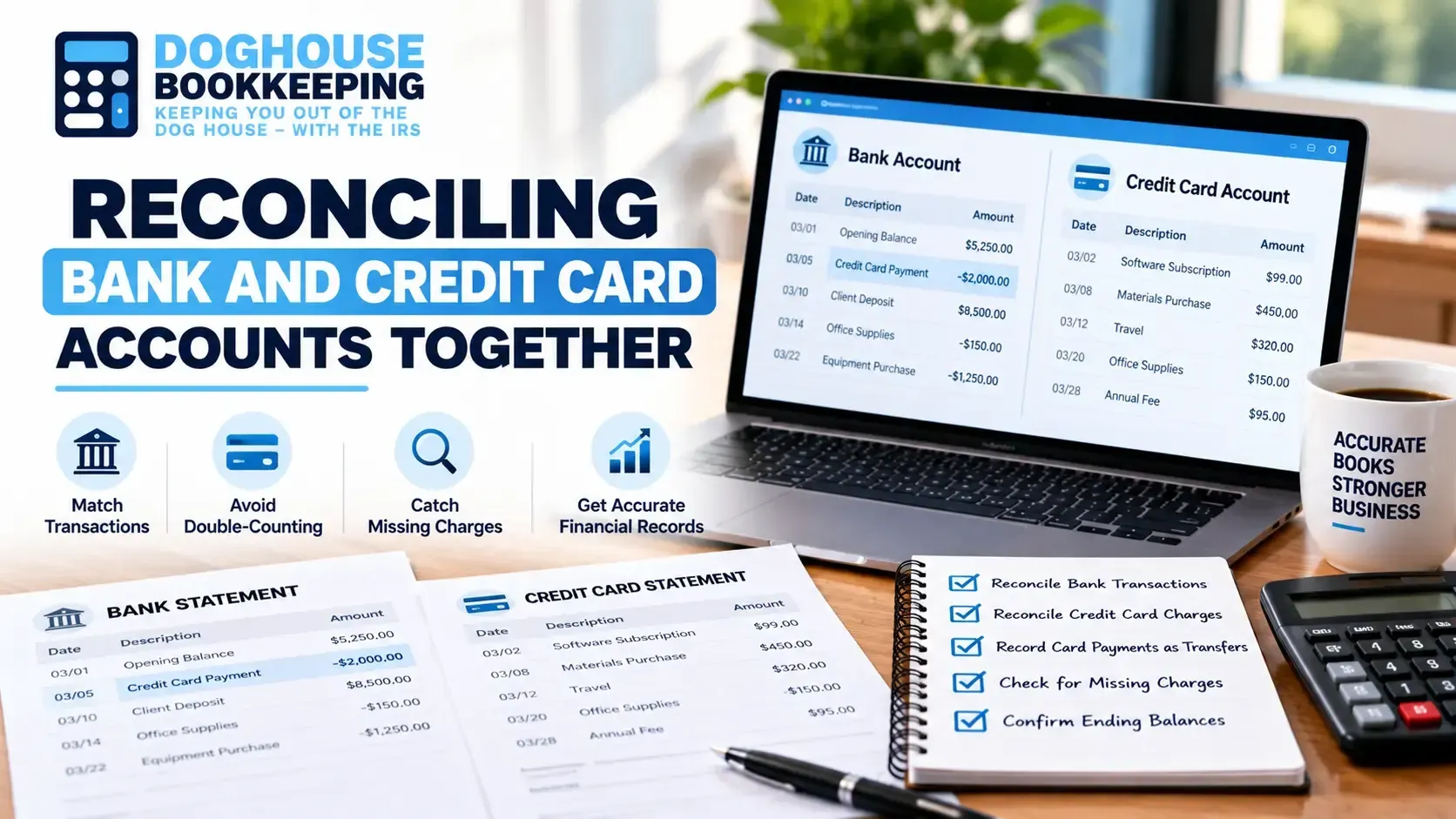
- Reconciling bank and credit card accounts
- Tracking accounts payable and accounts receivable
- Organizing payroll-related transactions and expenses
- Preparing monthly financial reports, such as profit and loss statements and balance sheets
- Reviewing transactions and helping identify missing or duplicate entries
With consistent bookkeeping, business owners can understand their financial position, review business performance, and provide more organized records to their tax professional.
How to Decide When to Hire a Bookkeeper
You don't need to experience all seven signs before considering bookkeeping support. Even one ongoing problem, such as months of unreconciled accounts or uncertainty about your monthly profit, can affect your business decisions.
Start by looking at how often these problems occur, how much time they take away from your work, and whether your financial records are accurate and up to date.
If your transaction volume is low and your records are current, managing your own books may still be practical. But if your books regularly fall behind, your accounts don't match, or your business is becoming more complex, professional bookkeeping support may be worth considering.
Frequently Asked Questions
When should a small business hire a bookkeeper?
As soon as keeping your records accurate starts competing with running the business. For many owners, that's when transaction volume grows, when the books fall a month or more behind, or before the first tax season when they want clean records.
How much does a bookkeeper cost for a small business?
It depends on your transaction volume, the number of accounts, and how much cleanup is needed. Most small business bookkeeping is priced monthly rather than hourly. Reach out to us, and we'll give you a clear price based on your actual situation.
Can I do my own bookkeeping with software?
Yes, especially when you're small and transactions are few. Software helps with categorizing and reports, but it still depends on someone reviewing the data and reconciling accounts. Problems usually start when that review gets skipped.
Do I need a bookkeeper if I'm a sole proprietor?
Not always, but it often helps. Even a one-person business has income, expenses, and taxes to track. If you're spending too much time on it, mixing personal and business spending, or dreading tax time, a bookkeeper is worth considering.
What software do small business bookkeepers use?
Most work in QuickBooks Online, QuickBooks Desktop, Xero, Wave, or FreshBooks. A good bookkeeper works in the software you already use, so you don't have to switch systems.
Get Your Small Business Books Under Control
Hiring a bookkeeper isn't an admission that you've failed at your own books. It's a decision to spend your time where it earns the most and to run your business on numbers you can trust.
Dog House Bookkeeping provides monthly bookkeeping for small businesses throughout Riverside, Corona, Moreno Valley, and the greater Inland Empire. Our certified, experienced team works in the software you already use and explains everything in plain language.
Schedule a free consultation and find out exactly where your books stand today.